
17 Daily Self Care Checklist Habits for Better Days
Introduction
Feeling overwhelmed by busy routines and constant pressure each day? You are not alone, and creating balance can start with simple habits. This article explores a daily self care checklist designed to help you feel calmer, more focused, and more energized throughout your day.
These habits are not complicated or time consuming, but they are powerful enough to transform your mood, productivity, and overall well being when practiced consistently. Each idea in this guide is designed to fit naturally into real life, helping you build a healthier routine without stress or pressure. From morning rituals to evening wind downs, you will discover practical ways to care for your mind and body in a balanced and sustainable way. Start small and build lasting habits for better daily balance.
Morning Water Ritual

Nothing feels quite as refreshing as beginning the morning with a glass of water waiting nearby. After hours of sleep, the body naturally needs hydration, and this small action can create a noticeable shift in how the day begins. Many people focus on complicated wellness routines, yet simple habits often have the biggest impact. Keeping water within reach removes friction and makes consistency easier. A gentle start like this supports better focus, encourages mindful choices, and creates a positive tone before emails, notifications, and responsibilities begin competing for attention.
One reason this habit works so well is that it requires almost no extra time or planning. In my experience, the easiest routines are often the ones people maintain longest because they fit naturally into everyday life. A visible water bottle acts as a visual reminder and helps reduce decision fatigue early in the day. Over time, this tiny ritual becomes automatic and can serve as the foundation for a stronger self-care routine. Small wins create momentum, and momentum often leads to healthier choices throughout the remaining hours of the day.
Five Minute Stretch

A short stretching session can make a surprising difference in how the body feels throughout the day. Even a few gentle movements help wake up muscles that have remained still during sleep. This habit is especially useful for people who spend long hours sitting at desks or working on screens. Stretching encourages circulation, improves comfort, and provides a moment of intentional movement before daily demands take over. The simplicity of the practice makes it approachable for beginners while still offering meaningful benefits for those seeking greater physical well-being.
The beauty of a five-minute stretch is that it feels manageable even on busy mornings. Rather than aiming for a perfect workout, the goal is simply to reconnect with the body. I’ve noticed that people often feel more energized when they begin with movement instead of immediately reaching for their phones. Gentle stretches can also improve awareness of tension areas that may need extra attention later. As part of a daily self care checklist, this habit supports consistency because it feels achievable, sustainable, and rewarding without requiring significant effort or preparation.
Mindful Breathing Pause

Some of the most effective self-care habits are also the simplest. Taking a few moments to focus on breathing helps create space between waking up and rushing into responsibilities. This brief pause allows the mind to settle and encourages a more intentional start. Instead of immediately reacting to messages, schedules, or concerns, mindful breathing promotes awareness of the present moment. Many people find that this practice helps reduce feelings of overwhelm while increasing concentration. The habit is small enough to fit into nearly any schedule yet powerful enough to influence the day ahead.
Consistency matters more than duration when building a breathing practice. Even a minute or two can help create a noticeable shift in mood and attention. In my experience, attaching this habit to an existing routine, such as after drinking water or before breakfast, makes it easier to maintain. Over time, mindful breathing becomes a reliable tool for navigating busy days with greater calm. It also strengthens self-awareness, helping people recognize stress earlier and respond more thoughtfully. That awareness often supports healthier choices across many areas of daily life.
Gratitude Journal

Starting a gratitude journal can completely shift how a day feels from the very beginning. When you take a few minutes to write down simple things you appreciate, your mind naturally begins to focus on what is going right instead of what is missing. This practice helps create emotional balance and encourages a more optimistic mindset. Over time, it becomes easier to notice small positive moments throughout the day. Many people find that even on stressful mornings, this habit brings a sense of grounding and clarity that carries forward into their daily routine.
The real strength of gratitude journaling lies in how it reshapes your attention over time. Instead of focusing on pressure or comparison, your mind gradually learns to search for positive details in everyday life. In my experience, this shift does not happen instantly, but consistency makes it powerful. Writing just a few lines each day builds emotional resilience and supports mental well-being. It also creates a personal record of growth that you can revisit whenever you feel overwhelmed or disconnected from your goals and daily motivation that continues to inspire positive habits and emotional awareness.
Digital Detox

Taking short breaks from digital devices can significantly improve how your mind feels throughout the day. Constant notifications and screen time often create mental clutter without us realizing it. By stepping away for even a short period, you allow your brain to reset and regain clarity. This habit also helps reduce stress levels and improves your ability to concentrate on meaningful tasks. Many people notice that after a digital pause, they return to their work feeling more refreshed, focused, and less mentally scattered. This simple reset often leads to better decision-making and emotional balance.
Incorporating digital breaks into your daily routine does not require strict rules or long periods of disconnection. Even a few mindful minutes away from screens can make a noticeable difference in your overall well-being. I’ve seen that people who practice this habit regularly tend to sleep better and feel less overwhelmed. It also creates space for creativity and real-life interaction, which often gets lost in constant scrolling and multitasking throughout the day. This balance helps restore mental energy and supports a healthier relationship with technology over time in everyday life.
Nourishing Breakfast

A well-balanced breakfast plays a powerful role in shaping how your entire day unfolds. When you begin your morning with nourishing foods, your body receives the fuel it needs for steady energy and focus. Skipping breakfast or choosing highly processed options often leads to energy crashes later in the day. A thoughtful morning plate can improve mood, support productivity, and reduce unnecessary cravings. In many cases, people find that their ability to concentrate improves significantly when they prioritize a healthy and satisfying start to their day. This simple habit sets a strong foundation for healthier choices all day.
Choosing the right breakfast does not need to be complicated or time-consuming. Even simple combinations like fruits, whole grains, and protein-rich foods can create a balanced and satisfying meal. I’ve noticed that when people take a few extra minutes to prepare breakfast mindfully, they tend to feel more in control of their day. This habit also reduces the temptation to rely on fast food or sugary snacks, which often lead to energy fluctuations and reduced productivity later on. Over time, this becomes a key part of a stable and mindful daily routine.
Evening Wind Down

Ending the day with a calm wind-down routine can completely change how restful your sleep feels. As the evening progresses, the body naturally prepares for rest, but without intentional habits, the mind often stays active. Creating a slow transition helps signal your brain that it is time to relax. Simple actions like lowering lights, avoiding stress triggers, and slowing your pace can reduce mental tension. This practice supports emotional balance and allows you to release the pressure of the day, making it easier to fall asleep peacefully and wake up feeling more refreshed and restored overall.
What makes this habit powerful is its ability to reset both mind and body together. Instead of rushing into sleep after a busy day, this routine creates a buffer that helps you mentally disconnect. Over time, your brain begins to associate these actions with rest, making it easier to fall asleep naturally. I’ve noticed that people who consistently follow an evening wind-down feel less anxious at night and wake up with better clarity. This simple shift improves sleep patterns, emotional stability, and overall energy levels for the following day in a very natural way.
Nature Walk

Spending time in nature is one of the simplest ways to refresh both mind and body during a busy routine. A short walk outside helps break the cycle of indoor stress and constant screen exposure. Fresh air, natural light, and greenery work together to calm the nervous system and improve overall mood. This habit does not require intense effort, yet it creates a noticeable shift in energy. Many people find that even a brief walk helps them think more clearly, feel lighter emotionally, and return to tasks with renewed focus and motivation throughout the day.
I’ve seen this habit work especially well for people who feel mentally drained or stuck in routine. Walking in nature offers a mental reset that indoor environments often cannot provide. It encourages slow thinking, deeper breathing, and a sense of openness that helps reduce overwhelm. Over time, this simple activity becomes a form of moving meditation. It also supports physical health by keeping the body active without pressure. Many people discover that their best ideas and clearest thoughts often appear during or after a peaceful walk outside in natural surroundings.
Skincare Ritual

A consistent skincare ritual can be a powerful way to care for both appearance and overall well-being. Beyond beauty, this habit encourages you to slow down and take a few intentional minutes for yourself. Gentle cleansing, moisturizing, and protection steps help maintain healthy skin while also creating a calming routine. The process can feel therapeutic, especially when done mindfully without rushing. Many people notice that regular skincare not only improves their skin over time but also helps them feel more confident, refreshed, and organized in their daily self-care practices and routines.
The real value of skincare goes beyond surface-level improvement and becomes a moment of personal grounding. When you follow a simple routine each day, it creates structure and consistency that supports emotional balance. This time allows you to disconnect from stress and reconnect with yourself in a calm and intentional way. Over time, the process becomes less about appearance and more about self-respect and care. I’ve seen that people who maintain this habit often develop a stronger sense of discipline, confidence, and awareness of their daily wellness needs and personal routines.
Afternoon Reset

A simple afternoon reset can completely change how productive the rest of your day feels. After hours of continuous work or study, the mind naturally begins to slow down and lose focus. Taking a short intentional break helps refresh mental energy and restores clarity. This habit is especially useful for people who experience afternoon fatigue or reduced concentration. Even a few minutes of stepping away from screens or switching tasks can create a noticeable shift in performance, mood, and motivation for the remaining hours of the day very effectively over time.
What makes this habit so powerful is its ability to create structure within a busy routine. Instead of pushing through fatigue, this pause allows the mind to recover and reset naturally. I’ve noticed that even small breaks like this improve decision-making and reduce mental overwhelm. It also helps prevent burnout by giving the brain time to breathe between tasks. When practiced consistently, this simple reset becomes a reliable tool for maintaining productivity, emotional balance, and focus throughout the entire day without needing major lifestyle changes or complicated planning with lasting benefits.
Reading Break

A short reading break during the day can offer a refreshing escape from constant digital stimulation. Whether it’s a few pages of a novel or an inspiring article, reading allows the mind to slow down and shift into a more focused and imaginative state. This habit helps reduce stress caused by screens and multitasking. Many people find that even a brief reading session improves their mood and helps them return to tasks with clearer thinking and renewed motivation for the rest of the day in a more balanced and peaceful way.
The power of reading lies in its ability to transport the mind away from daily pressure while still keeping it active and engaged. I’ve seen that people who build this habit often experience better concentration and stronger creativity over time. It also provides a healthy mental break that does not rely on digital distractions. By choosing meaningful or enjoyable content, you create a moment of calm that supports emotional balance and learning at the same time. This simple practice becomes a valuable part of a mindful daily routine that strengthens both relaxation and focus naturally.
Bedtime Tea

A warm cup of herbal tea before bed can gently signal your body that it is time to slow down. This calming habit helps create a peaceful transition from a busy day into restful sleep. Many herbal blends naturally support relaxation and reduce tension, making it easier to unwind both physically and mentally. The ritual itself becomes just as important as the drink, offering a quiet moment to pause and reflect before sleep. Over time, this simple practice can significantly improve nighttime comfort and overall sleep quality in a natural and soothing way.
What makes bedtime tea so effective is the combination of warmth, routine, and mindfulness. I’ve noticed that people who consistently follow this habit often fall asleep faster and experience fewer restless nights. It also replaces late-night snacking or screen time with a healthier alternative that supports rest. Creating this nightly ritual helps train the mind to associate tea with relaxation and sleep preparation. As part of a daily self care checklist, it becomes a comforting signal that the day is complete and it is safe to fully unwind and recharge for tomorrow.
Hydration Reminder

A hydration reminder habit can quietly transform how energetic your body feels throughout the day. Most people underestimate how even mild dehydration affects focus, mood, and productivity. Setting simple reminders or keeping water visible encourages consistent sipping without effort. This habit supports better digestion, clearer thinking, and fewer energy crashes. When practiced regularly, it becomes an automatic behavior rather than a forced routine. Over time, your body starts to feel naturally more refreshed, and you may notice improved alertness and comfort during work, study, or daily household tasks without needing major lifestyle changes at all.
This simple habit also strengthens long-term awareness of your body’s natural needs, making hydration feel effortless instead of forced. I have noticed that when people keep water nearby, they automatically drink more throughout the day without needing reminders. This small change improves energy stability and reduces fatigue that often comes from dehydration. It also supports better skin clarity and mental sharpness over time. As part of a daily self care checklist this habit becomes one of the easiest yet most effective wellness foundations that supports overall well-being every single day.
Screen Free Hour

A screen free hour can significantly improve mental clarity and reduce the constant overload caused by digital devices. In today’s fast-paced world, most people jump from notifications to social media without giving their brain time to rest. Creating even a short period without screens allows your mind to reset naturally. This habit improves focus, reduces anxiety, and encourages more meaningful real-world interactions. It also helps restore attention span, which is often weakened by excessive scrolling. Over time, this simple practice becomes a powerful way to reclaim control over your time and mental energy each day.
Many people underestimate how much mental fatigue is caused by constant screen exposure throughout the day. Stepping away even briefly allows the brain to recover and process information more effectively. I have seen that people who practice screen free breaks often sleep better and feel less mentally drained. It also encourages creativity and improves emotional balance by reducing overstimulation. As part of a daily self care checklist this habit supports long-term digital wellness in a very natural way that fits easily into modern routines without requiring major lifestyle changes at all.
Mindful Shower

A mindful shower can become a powerful reset ritual that refreshes both body and mind after a long day. The warm water, soothing steam, and quiet environment help release physical tension and emotional stress. Instead of rushing through the process, slowing down and focusing on the sensation of water creates a calming effect. This simple habit encourages presence and awareness, allowing the mind to detach from daily pressure. Many people find that mindful showers help them think more clearly, relax more deeply, and transition into the next part of their routine with a lighter and more balanced mood.
This ritual also helps improve emotional regulation because it creates a dedicated moment of pause that separates stress from rest. I have noticed that people who practice this habit regularly often feel more grounded and centered throughout the day. It becomes a form of self care that requires no extra effort yet delivers noticeable mental benefits. Over time it turns into a comforting routine that signals relaxation and recovery as part of a daily self care checklist this habit strengthens overall well-being and supports emotional balance throughout everyday life naturally.
Plan Tomorrow
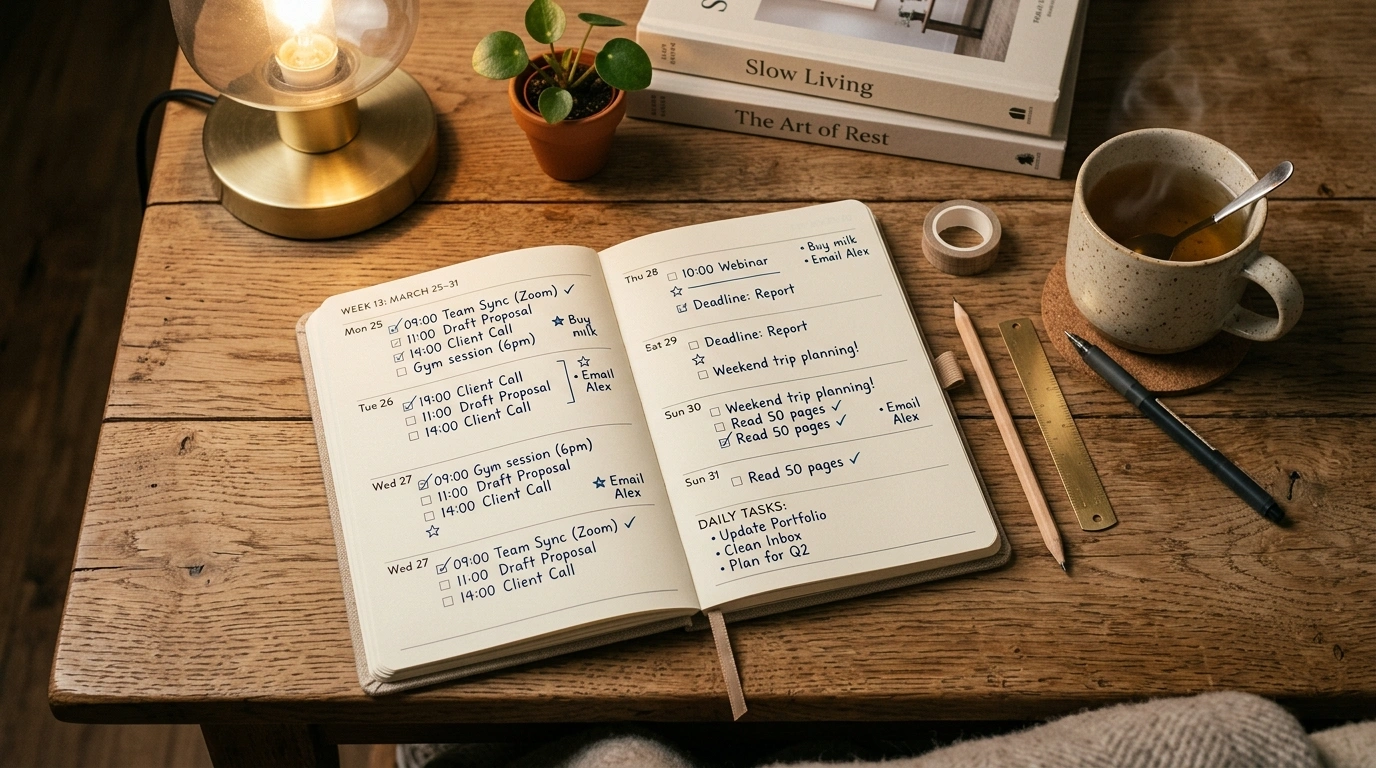
Planning tomorrow before going to bed is a powerful habit that reduces morning stress and improves overall productivity. When you take a few minutes to organize tasks, set priorities, and prepare mentally for the next day, you wake up with a clearer sense of direction. This reduces decision fatigue and helps you start the morning with confidence instead of confusion. Many people struggle with rushed mornings simply because they don’t plan ahead. A simple evening planning routine creates structure, improves time management, and supports a more balanced and intentional lifestyle that feels organized and calm from the start.
This habit also strengthens long-term discipline because it trains your mind to think ahead instead of reacting at the last minute. I have noticed that people who consistently plan their next day tend to feel more in control and less stressed. It also improves sleep quality because the mind is not overloaded with unfinished thoughts. Over time this practice becomes a reliable system for personal organization and mental clarity that supports better routines and emotional stability each day I’ve seen it create lasting positive change in daily life over time.
Gentle Music

Listening to gentle music can instantly change the emotional atmosphere of your day in a calming and meaningful way. It helps slow down racing thoughts and creates a peaceful mental space where stress feels lighter and more manageable. Many people use soft instrumental sounds or nature-inspired tracks to improve focus during work or relaxation periods. In my experience, even low volume background music can significantly improve mood stability and emotional balance throughout the day. It becomes a simple but powerful habit that supports relaxation and productivity without requiring much effort or planning.
Creating a habit of listening to calming sounds in the evening can deeply influence how peacefully you unwind each night. It signals the brain that the day is ending and helps transition into rest mode more smoothly and naturally. This practice can reduce insomnia symptoms and improve overall sleep quality when followed consistently over time. I’ve noticed that people who replace screen time with soft music often feel more relaxed and emotionally balanced. This small shift can make evenings feel more intentional and restorative without any complicated routine at all.
Self Affirmations

Speaking positive self affirmations each day can gradually reshape how you see yourself and your abilities. When you intentionally repeat encouraging statements, your mind begins to accept them as part of your internal dialogue. This practice helps replace self-doubt with confidence and creates a more supportive mindset. Many people underestimate how powerful words can be in influencing emotions and behavior. Over time, affirmations become a mental foundation that supports healthier decisions, stronger motivation, and a more optimistic outlook on daily challenges and personal growth throughout life.
This habit becomes even more effective when practiced consistently in a calm and focused environment. I’ve seen that people who speak affirmations during morning or evening routines often develop stronger emotional resilience. It helps reduce negative thinking patterns and builds a sense of self-worth that grows over time. Affirmations are not about ignoring reality but about training the mind to respond with more confidence and balance. As part of a daily self care checklist this practice supports long-term emotional stability and encourages a more positive inner voice every day.
Conclusion
Building a healthier lifestyle does not require perfection, only consistency and small intentional actions each day. When you follow a daily self care checklist, you create space for better energy, clarity, and emotional balance in your life.
These simple habits help you slow down, reconnect with yourself, and improve your overall well being without adding pressure to your routine and encourage a more mindful, peaceful, and fulfilling daily experience that supports long term mental clarity and emotional stability while helping you maintain balance in everyday life with gentle consistency and self awareness that feels natural and sustainable daily for you.